
High Temperature Motor Encapsulation: IP54 Sealed 180°C Stator
- September 20, 2025
Project Overview
Industry
Gas Appliances / Combustion Systems
Component
Flue Gas Exhaust Fan Motor Stator
Material
BMC (UL94 V-0)
Mold Processing
H13 Tool Steel (HRC 52-54)
Standard
Airflow +15%, Continuous Duty 180°C, IP54 Rating
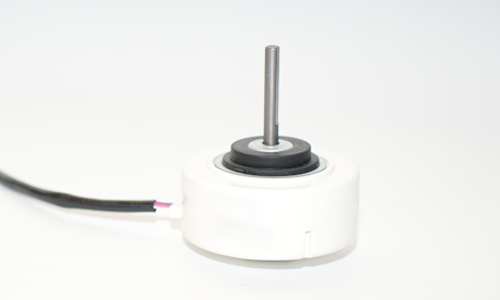
High-Temperature Reliability of Forced Exhaust Blower Motors
Forced ventilation gas water heaters rely on high-speed exhaust blower motors to draw fresh air into the combustion chamber and safely expel toxic fumes outdoors. These motors operate inside or adjacent to the exhaust casing, facing harsh environmental conditions: ambient temperatures reaching 120°C to 150°C, high humidity from combustion byproducts, and continuous thermal cycling.
Standard open-shaded pole motors or capacitor motors struggle to function properly under these conditions.
Humidity and acidic moisture can degrade the winding insulation, while heat buildup limits maximum airflow.
To overcome these environmental limitations, our engineering team developed a dedicated high-temperature motor encapsulation process using thermosetting compounds to completely seal the motor stator assembly, thereby achieving long-term reliability under continuous thermal stress.
Constructing A Heat- and Moisture-Proof Sealing Structure
When encapsulating the high-temperature motor of a forced exhaust blower, the encapsulated components must maintain strict electrical isolation and dimensional stability under continuous high temperatures.
High-Temperature Flame-Retardant BMC Material
We utilize a special glass fiber reinforced body molding compound (BMC) with a continuous insulation class of H (180°C) and a flame retardant rating of UL94 V-0. This material resists thermal softening and microcracking even during harsh cold start to full thermal cycling processes.
Hermetic Environmental Sealing
Our high-temperature motor encapsulation forms a monolithic, seamless barrier around the stator coil leads, terminal connectors, and core. This prevents acidic moisture and flue gas condensate from contacting the copper wires, achieving an IP54 protection rating.
| Material Properties | Standard Thermoplastic | H-Class BMC |
|---|---|---|
| Continuous Temperature Rating | 120°C ~ 130°C | 180°C |
| Flame Retardancy Rating | UL94 V-2 | UL94 V-0 |
| Heat and Moisture Absorption Rate | 0.35% (Risk of Bursting) | < 0.05% |
| Protection Rating (IP) | IP20 | IP54 |
Mold Corrosion Protection and Aerodynamic Molding
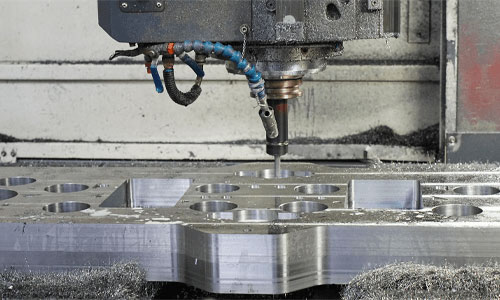
Injection molding of corrosive thermosetting bulk cermets (BMCs) at high temperatures (150℃-170℃) can cause severe chemical wear on the injection mold surface.
- Chromium-Plated Hardened H13 Steel: The injection mold core and cavity are machined from high-quality H13 tool steel and vacuum heat-treated to achieve a hardness of HRC 52-54. To resist chemical corrosion from acidic gases during curing, all cavity surfaces are plated with a 0.03 mm thick hard chrome layer, ensuring a mold life exceeding 500,000 cycles without pitting.
- Aerodynamic Cooling Geometry: Cooling channels are directly designed into the external plastic stator cavity insert. These surface channels guide the blower intake airflow through the motor body, utilizing the blower’s own airflow for active self-cooling.
High-Temperature Wind Tunnel Durability Test Results
The sealed stator assembly underwent accelerated life testing in a high-temperature wind tunnel:
- 15% Increase in Airflow Output
The high-temperature motor encapsulation improves heat dissipation, allowing the motor drive to safely increase operating speed, resulting in a 15% increase in blower airflow, thus meeting the needs of larger capacity water heaters.
- 1000-Hour Damp Heat Durability
After being placed in a damp heat environment of 85℃/85% relative humidity for 1000 hours, the insulation resistance remained above 500MΩ, with no moisture penetration.
- No Thermal Fatigue Cracks
Thermal shock testing (-40℃ to 150℃, 200 cycles) showed no microcracks or dimensional deformation on the sample surface.
FAQ
Will high-temperature BMC produce gases or volatiles inside the flue assembly over time?
No. We use H-grade (180°C) thermosetting BMC material, which is fully cross-linked during the thermosetting process within the mold. After curing, the polymer matrix remains thermally inert, preventing plasticizer migration or toxic gas volatilization, meeting stringent residential combustion equipment safety standards.
How to protect the injection mold from chemical corrosion caused by high-temperature BMC?
The mold cavity and runner are made of H13 tool steel, vacuum heat-treated to HRC 52-54, and plated with a 0.03 mm thick hard chrome layer. This protective coating prevents corrosion from acidic compounds during high-temperature curing (150°C-170°C), ensuring clear part geometry and easy demolding during long production runs.

- No.2, South Huatai East Road, Caosan PioneerPark,ZhongShan,Guangdong,China
- +86 13326981626
- ocean.h@wanglai.cn
CAPABILITIES
COMPANY




Copyright ©2026 Wontech | Powered by Wontech.All Rights Reserved.