
Home / Injection Molding / Insert Molding
Insert Molding Service
We offer high-precision insert molding solutions that seamlessly integrate metal/electronic components with engineering plastics, increasing product strength by over 200% and reducing total cost by 40%. Leveraging our ISO-certified mass production system, we provide zero-defect delivery to automotive, medical, and industrial customers, enabling complex parts to be molded in one go.
What is Insert Molding?
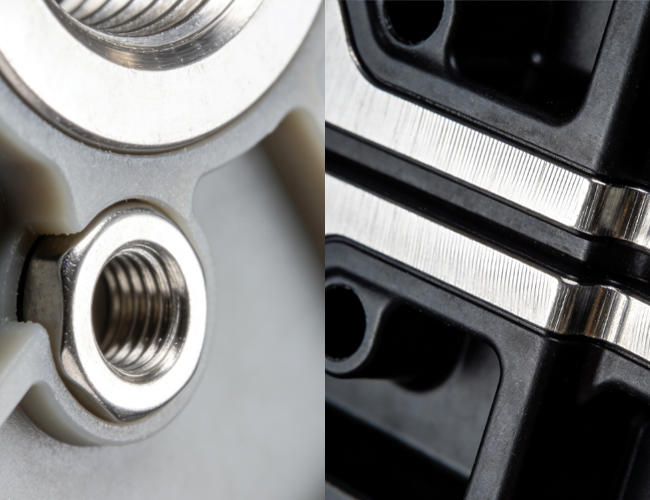
Insert molding is a precision process in which pre-made metal or non-metal parts (insertions) are placed into a mold, and plastic is used to encapsulate and mold them during injection molding, thereby forming an integrated product.
Technical Principles:
Thermodynamic control
When the molten plastic (230-320℃) encapsulates the insert, precise control of the cooling rate eliminates thermal stress at the insert-plastic interface, preventing delamination.
Mechanical locking design
The microstructure on the insert surface forms a mechanical interlock with the plastic, increasing the bonding strength by 200% (compared to planar inserts).
Positioning accuracy guaranteed
Insert positioning tolerance ≤ ±0.01mm (laser positioning system), avoiding short shots or stress concentration caused by offset.
What is Insert Molding?
Insert molding is a precision process in which pre-made metal or non-metal parts (insertions) are placed into a mold, and plastic is used to encapsulate and mold them during injection molding, thereby forming an integrated product.
Technical Principles:
Thermodynamic control
When the molten plastic (230-320℃) encapsulates the insert, precise control of the cooling rate eliminates thermal stress at the insert-plastic interface, preventing delamination.
Mechanical locking design
The microstructure on the insert surface forms a mechanical interlock with the plastic, increasing the bonding strength by 200% (compared to planar inserts).
Positioning accuracy guaranteed
Insert positioning tolerance ≤ ±0.01mm (laser positioning system), avoiding short shots or stress concentration caused by offset.
Wide Applications of Insert Molding Across Industries
Insert molding technology has broken industry boundaries and solved a core engineering challenge: integrating different materials without the need for mechanical fasteners. This technology is proven to enable critical functions—from electromagnetic interference shielding (attenuation ≥80dB) in automotive ECUs to hermetic seals (compliant with ISO 13485 standards) in surgical instruments.
Automotive Electronics
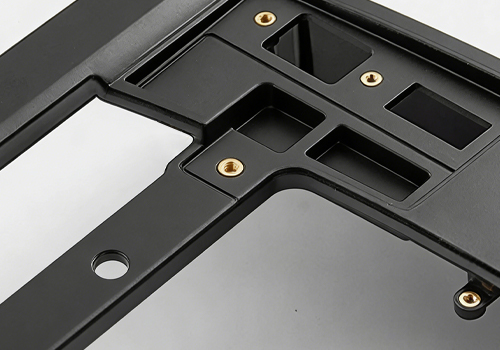
Wiring harness connectors, sensor housings, ECU control unit pins, and internal metal components for knobs.
Medical Devices
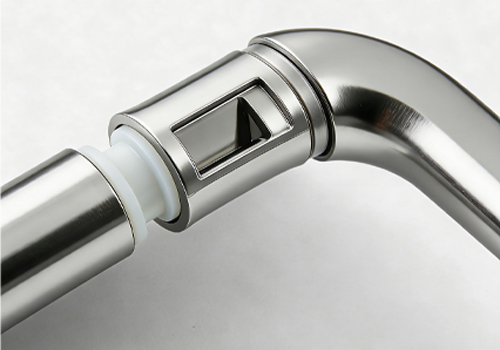
Surgical instrument handles, disposable biopsy needle holders, precision transmission components for testing, and interfaces for diagnostic equipment.
Industrial Equipment
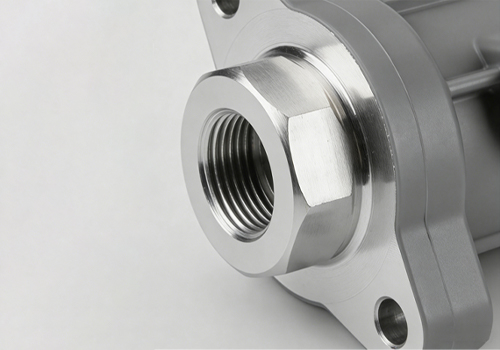
High-strength gears, threaded plastic fasteners, fluid control valves, and insulated tool handles.
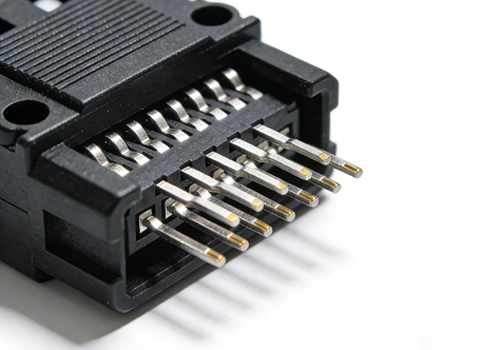
Consumer Electronics
Internal structural components of smartphones, charging ports, metal inserts to enhance antenna signals, and buttons for wearable devices.
Automotive Electronics
Wiring harness connectors, sensor housings, ECU control unit pins, and internal metal components for knobs.
Medical Devices
Surgical instrument handles, disposable biopsy needle holders, precision transmission components for testing, and interfaces for diagnostic equipment.
Industrial Equipment
High-strength gears, threaded plastic fasteners, fluid control valves, and insulated tool handles.
Consumer Electronics
Internal structural components of smartphones, charging ports, metal inserts to enhance antenna signals, and buttons for wearable devices.
Advantages of Insert Molding
More Efficient Parts Through Insert Molding
Insert molding fundamentally breaks through the performance boundaries of traditional manufacturing by seamlessly integrating functional components with a plastic matrix. It not only improves the structural reliability and environmental adaptability of products, but also creates irreplaceable engineering value in miniaturization, lightweighting, and functional integration.
|
Advantages
|
Traditional Service
|
Insert molding Service
|
Effects
|
|---|---|---|---|
|
Structural Strength
|
Secondary assembly interface strength: 15-20 MPa
|
Integrated interface strength: 45-52 MPa
|
+200% (ISO test)
|
|
Production Efficiency
|
Assembly + quality inspection takes 60 seconds per piece
|
One-time molding + automatic inspection takes 12 seconds per piece
|
+400% (daily production capacity ↑3600 pieces)
|
|
Long-term Cost
|
Maintenance cost: $0.35/unit (including failure)
|
Maintenance cost: $0.09/unit (10-year cycle)
|
-74% (TCO calculation model)
|

Key Advantages
Miniaturization Integration: In medical endoscopes, five independent components are integrated into one insert (Φ3.2mm), reducing weight by 65%.
Environmental Adaptability: The automotive sensor insert has passed thermal cycling tests from -40℃ to 150℃, with a lifespan of 15+ years.
Technical Challenges
Our Professional Insert Molding Service
Behind the significant advantages of insert molding lies a series of technical hurdles that must be overcome in precision manufacturing. We candidly analyze these core challenges and provide professional services to perfectly address them.
Precise Positioning and Fixing of Inserts
Automated Integration Solution
We configure high-precision robotic arms and vision positioning systems to achieve fully automated picking, verification, and placement of inserts, with a repeatability accuracy of ±0.02mm, completely eliminating human error.
Precision Mold Design
Patented mechanical/pneumatic clamping mechanisms or magnetic positioning devices are designed within the mold to firmly lock the inserts in the preset position before mold closing, resisting injection molding impact.
Ensure the Bond Strength Between Plastic and Insert
Materials Science Support
We have established a database of common plastic-metal combinations to recommend optimal material pairings (such as PPS and stainless steel) and provide insert surface treatment options to maximize mechanical interlocking and chemical bonding.
Bond Strength Verification Service
We are equipped with a professional pull-out force tester to quantitatively test samples during the molding stage, providing objective bond strength data reports to ensure they meet your design requirements.
Controlling Internal Stress and Product Warpage
Simulation Analysis
In the early stages of mold design, we use mold flow analysis software to perform specialized stress simulations, predict stress concentration areas, and balance shrinkage by optimizing gate location and cooling water channel layout.
Process Optimization
Through scientific experimental design methods, we meticulously adjust parameters such as melt temperature, injection speed, and holding pressure to identify process zones that minimize internal stress, and then solidify these optimizations into operational standards.
Complex Mold Design and Stability Maintenance
High-Lifespan Mold Technology Transfer
We apply the core technologies of our high-lifespan mold technology (special steel, precision machining, heat treatment) to ensure that the mold core, inserts, and positioning mechanisms possess extremely high wear resistance and rigidity, extending mold life.
Preventative Maintenance System
We establish a dedicated maintenance file for each insert mold set, develop regular maintenance plans, focus on inspecting the wear of positioning components, and provide rapid-response mold repair and refurbishment services to ensure long-term production stability.
How to Start Your Insert Molding Service?
Insert molding is a type of injection molding, but it is far more complex than ordinary injection molding, and it is not simply a combination of “injection molding + insert”.
The difference between injection molding and insert molding:
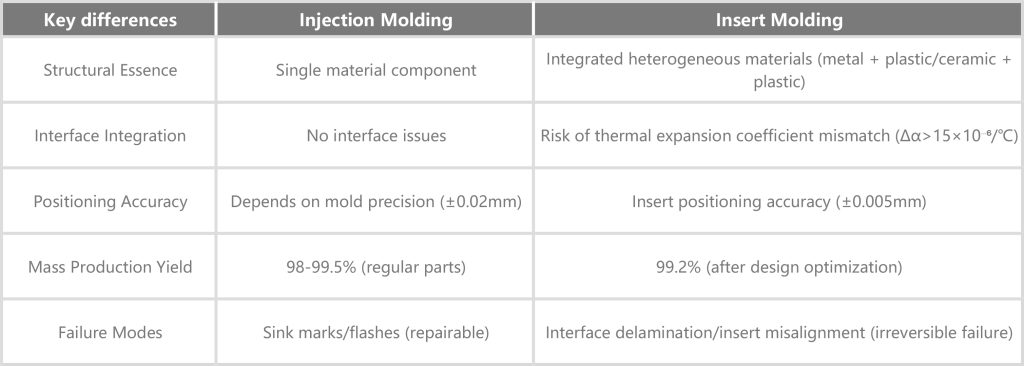
|
Key differences
|
Injection Molding
|
Insert Molding
|
|---|---|---|
|
Structural Essence
|
Single material component
|
Integrated heterogeneous materials (metal + plastic/ceramic + plastic)
|
|
Interface Integration
|
No interface issues
|
Risk of thermal expansion coefficient mismatch (Δα>15×10⁻⁶/℃)
|
|
Positioning Accuracy
|
Depends on mold precision (±0.02mm)
|
Insert positioning accuracy (±0.005mm)
|
|
Mass Production Yield
|
98-99.5% (regular parts)
|
99.2% (after design optimization)
|
|
Failure Modes
|
Sink marks/flashes (repairable)
|
Interface delamination/insert misalignment (irreversible failure)
|
Starting insert molding services can further reduce your total cost of ownership (TCO) when the following requirements are met
1.Does the product require metal-plastic functional integration?
No: Standard injection molding (30% lower cost).
Yes: Proceed to the next step.
2. Do the three essential conditions for inserts be met?
- Metal components must withstand a torque of >15 N·m (e.g., motor shaft)
- Electrical components must maintain signal integrity (attenuation <0.5 dB/5 GHz)
- Product lifespan requirement >5 years (exposed to vibration/temperature changes)
If any condition is not met: secondary assembly is more economical.
If all conditions are met: Proceed to the next step.
3.Has the insert feasibility verification been passed?
- Insert-to-plastic thermal expansion coefficient ratio < 3:1 (e.g., stainless steel/PEEK = 2.1:1, feasible; aluminum/PP = 5.8:1, coating required)
- Insert positioning tolerance ≤ 0.01mm (laser positioning system)
- Melt temperature ≤ Insert withstand temperature - 30℃ (e.g., copper inserts require <290℃)
Failed: Modify design or use secondary assembly.
Passed: Using insert molding reduces total cost of ownership (TCO) by 42%.
Partner with Us. Engineer Your Success.
- Download Injection Molding Technology Guide
- Obtain the Best Injection Molding Solution
- Get Custom Quote for Insert Molding

- No.2, South Huatai East Road, Caosan Pioneer Park,ZhongShan,Guangdong,China
- +86 13326981626
- ocean.h@wanglai.cn
CAPABILITIES




Copyright ©2025 Wontech | Powered by Wontech.All Rights Reserved.